The Dawn of Human-Robot Workplace Collaboration
Office environments are experiencing a fundamental transformation as intelligent robots become integrated team members rather than mere tools. This shift represents a move beyond traditional automation toward collaborative intelligence, where robots and humans work together to achieve outcomes neither could accomplish independently.
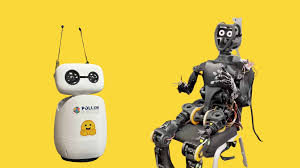
Desktop robots like the Reachy Mini exemplify this new paradigm, serving as intelligent assistants that can participate in meetings, manage schedules, provide information, and facilitate communication between team members. Their presence transforms static workspaces into dynamic, interactive environments that adapt to human needs and preferences.
Redefining Administrative and Support Functions
Robotic assistants are revolutionizing traditional administrative tasks by providing intelligent automation that goes far beyond simple task execution. These systems can understand context, make decisions, and adapt their behavior based on changing circumstances and priorities.
Modern office robots handle complex scheduling optimization, manage digital and physical resources, coordinate multi-party communications, and provide real-time project status updates. This capability enhancement allows human workers to focus on creative, strategic, and relationship-building activities that require uniquely human skills.
Enhanced Communication and Collaboration
Robotic systems are transforming how teams communicate and collaborate by serving as intelligent intermediaries that facilitate information sharing, schedule coordination, and project management. These systems can understand team dynamics, identify communication gaps, and proactively suggest solutions to improve collaboration effectiveness.
Advanced natural language processing enables robots to participate meaningfully in meetings, take notes, track action items, and follow up on commitments. This participation creates more organized and productive collaborative sessions while ensuring nothing important gets overlooked.
Workspace Intelligence and Optimization
Intelligent robots are becoming central components of smart office ecosystems, monitoring environmental conditions, usage patterns, and employee preferences to optimize workspace functionality. These systems can automatically adjust lighting, temperature, and noise levels to create optimal working conditions.
Data collection and analysis capabilities enable continuous workspace improvement based on actual usage patterns and employee feedback. This optimization extends to space utilization, resource allocation, and energy efficiency, creating more sustainable and cost-effective office operations.
Training and Professional Development
Office robots are emerging as powerful tools for employee training and professional development. Their ability to provide consistent, patient, and personalized instruction makes them ideal for onboarding new employees, teaching new software systems, and providing ongoing skill development.
Interactive training capabilities allow robots to adapt their teaching methods to individual learning styles, provide immediate feedback, and track progress over time. This personalized approach to professional development can significantly improve training effectiveness and employee satisfaction.
Information Management and Knowledge Sharing
Modern office robots serve as intelligent knowledge management systems that can access, organize, and share information across teams and projects. Their ability to understand context and user intent enables more effective information retrieval and knowledge discovery than traditional search systems.
These systems can identify expertise within organizations, facilitate knowledge transfer between teams, and ensure that important institutional knowledge is preserved and accessible. This capability becomes particularly valuable as organizations grow and knowledge management becomes increasingly complex.
Security and Access Control
Robotic systems are enhancing office security through intelligent monitoring, access control, and threat detection capabilities. Advanced computer vision and behavioral analysis enable these systems to identify unusual activities, verify identities, and manage access to sensitive areas or information.
Integration with existing security infrastructure creates comprehensive security ecosystems that provide both physical and digital protection while maintaining user convenience and privacy. This dual-layer security approach addresses the complex threat landscape facing modern organizations.
Wellness and Employee Support
Office robots are increasingly incorporating wellness monitoring and support functions that help maintain employee health and productivity. These systems can detect stress indicators, remind employees about break times, and suggest wellness activities based on individual needs and preferences.
Environmental monitoring capabilities enable robots to identify and address factors that might impact employee health and comfort, such as air quality, noise levels, or ergonomic issues. This proactive approach to workplace wellness can improve employee satisfaction and reduce health-related productivity losses.
Flexible Work Arrangements and Remote Integration
As work arrangements become increasingly flexible, office robots play crucial roles in maintaining team cohesion and communication across hybrid work environments. Telepresence capabilities enable remote workers to have physical representation in office environments through robotic avatars.
These systems can facilitate natural interactions between remote and in-office team members, participate in collaborative activities, and ensure that remote workers remain fully integrated into team dynamics. This capability becomes essential as organizations adopt permanent hybrid work models.
Decision Support and Analytics
Intelligent office robots provide sophisticated decision support capabilities by analyzing data patterns, identifying trends, and providing actionable insights. Their ability to process large volumes of information and present findings in accessible formats enhances decision-making across all organizational levels.
Predictive analytics capabilities enable these systems to anticipate needs, identify potential issues, and suggest proactive solutions. This forward-looking approach to workplace management can prevent problems before they impact productivity or employee satisfaction.
Cultural Integration and Change Management
The successful integration of robots into office environments requires careful attention to organizational culture and change management processes. Employees need time to adapt to robotic colleagues, understand their capabilities, and develop effective collaboration patterns.
Change management strategies must address concerns about job displacement, privacy, and the evolving nature of work relationships. Successful implementations focus on demonstrating how robots enhance human capabilities rather than replacing human workers.
Cost-Benefit Analysis and ROI
Organizations considering robotic integration must carefully evaluate costs, benefits, and return on investment. While initial implementation costs can be significant, the long-term benefits include improved efficiency, reduced operational costs, and enhanced employee satisfaction.
Comprehensive ROI calculations must consider both quantifiable benefits like time savings and efficiency improvements, as well as qualitative benefits such as improved workplace culture and employee engagement. These analyses guide implementation strategies and help organizations maximize their robotic investments.
Privacy and Ethical Considerations
The integration of intelligent robots into office environments raises important privacy and ethical considerations that organizations must address proactively. Data collection, monitoring capabilities, and decision-making algorithms must align with privacy regulations and ethical standards.
Transparent policies regarding robot capabilities, data usage, and employee rights help build trust and acceptance. Organizations must balance the benefits of robotic intelligence with respect for employee privacy and autonomy.
Skills Development and Workforce Evolution
The integration of robots into office environments is driving evolution in required workforce skills. Employees need to develop competencies in human-robot collaboration, system management, and technology integration to remain effective in robotic-enhanced workplaces.
Professional development programs must evolve to include robot interaction skills, system configuration knowledge, and collaborative problem-solving techniques. This skills evolution represents an opportunity for career advancement and increased job satisfaction.
Future Trends and Emerging Capabilities
The future of office robotics promises even more sophisticated capabilities including advanced emotional intelligence, creative problem-solving, and seamless integration with emerging technologies like augmented reality and brain-computer interfaces.
These developments suggest office environments that are increasingly adaptive, intelligent, and responsive to human needs. The workspace of the future will likely be characterized by seamless human-robot collaboration and unprecedented levels of productivity and satisfaction.
Implementation Strategies for Organizations
Successful robotic integration requires strategic planning that considers organizational needs, employee readiness, and technological infrastructure. Phased implementations allow organizations to learn and adapt while minimizing disruption and maximizing benefits.
Best practices include starting with pilot programs, investing in employee training, establishing clear policies and procedures, and maintaining open communication about changes and expectations. These strategies help ensure smooth transitions and positive outcomes.
Conclusion
The transformation of office environments through robotic integration represents a fundamental shift in how we conceptualize work, productivity, and human-machine collaboration. Rather than replacing human workers, these technologies are creating new possibilities for enhanced productivity, job satisfaction, and workplace innovation.
Organizations that embrace this transformation thoughtfully and strategically will gain significant competitive advantages through improved efficiency, enhanced employee satisfaction, and new capabilities for innovation and growth. The future office will be characterized by seamless collaboration between humans and robots, creating workplaces that are more productive, engaging, and responsive to human needs than ever before.